Seed Catalog Overwhelm: How to Pick the Right Seeds for Your Climate and Lifestyle
Seed catalogs shouldn’t feel overwhelming. Learn how to choose the right seeds for your climate, space, and lifestyle—and plant with confidence this season.
![]() |
Written By Lara Wadsworth |
In the vibrant tapestry of the botanical world, few flowers can match the exuberance and versatility of marigolds. These cheerful blossoms have enchanted gardeners for centuries with their vivid hues and distinctive aroma. In this exploration, we delve into the world of marigolds, uncovering their fascinating characteristics, cultural significance, and the myriad of ways they can enhance your garden.
Marigolds, scientifically known as members of the genus Tagetes, belong to the Asteraceae family. This diverse group includes sunflowers and daisies. Native to the Americas, these resilient flowers have been cultivated and cherished across the globe for their beauty and beneficial properties in ornamental and edible gardens.
Marigolds come in various species, each possessing unique attributes. The two primary categories are Tagetes erecta (African marigold) and Tagetes patula (French marigold). African marigolds are tall and majestic, boasting large, showy flowers suitable for cutting. French marigolds are more compact, with smaller blooms. The Tagetes tenuifolia (Lemon or signet marigold) is known for its finely divided, aromatic foliage. Tagetes lucida is commonly known as Mexican Mint or Mexican tarragon for its flavor. Lastly, there is Calendula officinalis, also known as Common or Pot Marigold. This flower is actually a member of the Asteraceae family (related to daisies) and is native to parts of Europe and Africa.
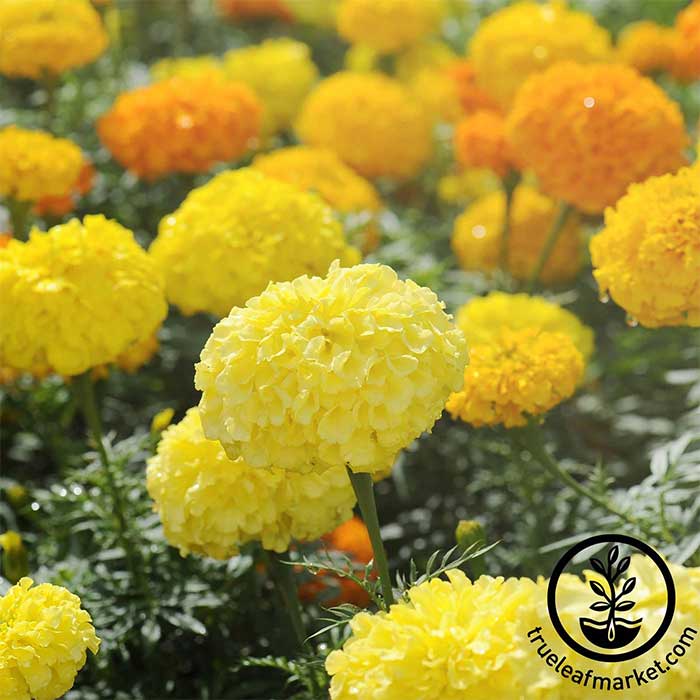
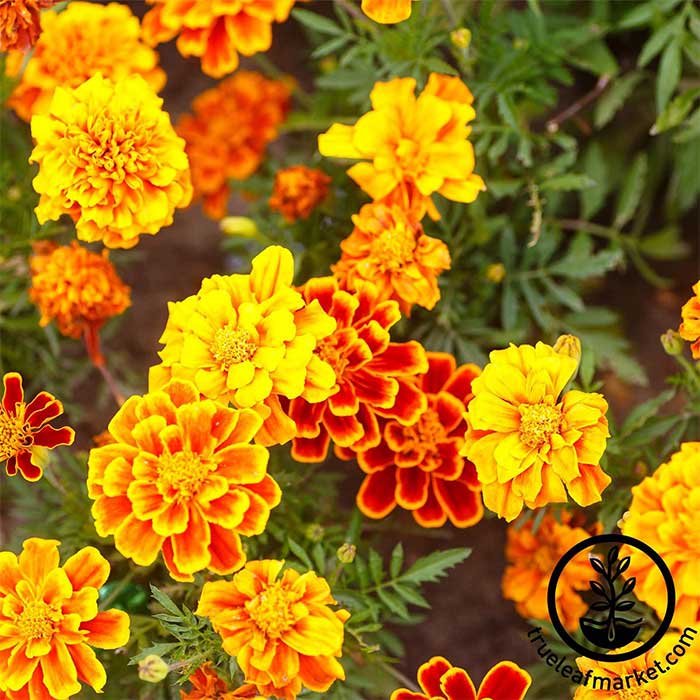
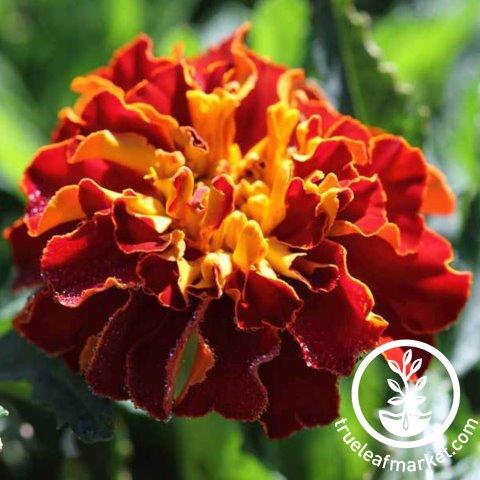
One of the most appealing aspects of marigolds is their vibrant color spectrum. Ranging from sunny yellows and oranges to deep reds, marigolds add a burst of warmth to any garden. Some varieties even exhibit bi-color or multi-color patterns, creating a visual feast for the eyes.
Beyond their aesthetic appeal, marigolds hold cultural significance in various societies, rituals, ceremonies, and traditional practices of cultures worldwide.
In Mexico and other Latin American countries, marigolds are integral to the Dia de los Muertos (Day of the Dead) celebrations. During this time, families create altars adorned with marigold flowers, believing that the vibrant colors and fragrant aroma help guide the spirits of the departed back to the world of the living.
Marigolds are also highly regarded in Hindu culture. They are often used in religious ceremonies and festivals, symbolizing auspiciousness and positive energy. The vibrant orange and yellow hues are associated with the sun, radiating positivity and joy.


Traditional medicine has long recognized the therapeutic properties of marigolds. The flowers contain compounds with anti-inflammatory and anti-microbial properties, making them valuable in treating various skin conditions, wounds, and inflammation. Marigold extracts are frequently used in herbal remedies and ointments.
Cultivating marigolds is a gratifying experience, whether you are a seasoned gardener or a novice with a green thumb in the making. Here are some essential tips to ensure success in growing marigolds:
Beyond their ornamental value, marigolds offer an unexpected treat for the culinary enthusiast. Edible marigold petals can elevate salads, desserts, and beverages, infusing a subtle citrusy flavor and a splash of color to your culinary creations.
French marigolds, in particular, are known for their edible blossoms. The petals have a slightly spicy, tangy taste, making them a unique addition to salads or a garnish for soups and desserts. Ensure the flowers are grown organically and pesticide-free before incorporating them into your culinary adventures.
Infuse your tea with a touch of marigold magic. Dried marigold petals can be steeped to create a fragrant, soothing tea that not only tantalizes the taste buds but also offers potential health benefits, thanks to the flower's anti-inflammatory properties.
Freeze marigold petals in ice cubes for a visually stunning addition to your beverages. Whether you're serving lemonade, iced tea, or cocktails, these floral ice cubes add a touch of elegance and a burst of color.
Marigolds, with their vibrant hues, cultural significance, and multifaceted uses, stand as a testament to the wonders of the natural world. Whether gracing your garden with its radiant presence, contributing to cultural traditions, or surprising your taste buds in the kitchen, marigolds are a botanical treasure that continues to captivate and inspire. So, embrace these sun-kissed blooms and let the marigold's enchantment unfold in your own green haven.

![]() |
Lara Wadsworth, True Leaf Market Writer |
I am a native of Southwestern Michigan, where I also reside, and I love all things plants! I got a Bachelor's Degree in Horticulture and found the first work-from-home job I could get. Now, I spend my days writing for TLM, playing with my dog, eating delicious food with my husband, and plotting my next landscape or gardening move. I believe everyone should get down and dirty in the soil now and then. Happy Gardening!
0 comments
No comments yet! Be the first to start a conversation.