The Quiet Ritual of Seed Starting: When and How to Winter Seed-Starting
Discover when to start seeds indoors and how winter seed starting can become a calm, meaningful ritual that prepares your garden for spring.
![]() |
Written By Lara Wadsworth |
Whether you are seeing your grocery prices rising or your family is facing a smaller food budget, saving money and feeding your family healthy food can seem impossible. Growing even small amounts of food at home can not only be fast and convenient, but also save you lots of cash over time. It can sometimes feel like gardening isn’t worth the upfront cost, but these six tricks for saving money may surprise you with how cost-effective they are. You don’t need lots of space, or even a yard at all, to take advantage of most of these tricks. You just need the desire to eat healthy, fresh food, for a fraction of the cost!
Growing sprouts at home is easily one of the best ways to boost your nutrition without breaking the bank. Especially when you compare the cost of store-bought (or farmers-market-bought) sprouts with what it costs to grow them at home. The gram-for-gram nutritional content is astounding with these little plants. What’s even better, sprouts can be grown by anyone! You don’t need a yard, a patio, or even a sunny windowsill. Simply grow them in a jar on your counter and start enjoying them in just a matter of days.
How often do you buy salad greens? Or perhaps the question is, “How often SHOULD you be buying salad greens?” There is no doubt that leafy greens are an important part of any healthy diet. The problem is, many people find them to be too expensive or don’t want to throw them away because they didn’t get used fast enough. Have you ever considered growing your own leafy greens? Surprisingly, they thrive when grown indoors, year-round! You can use small indoor planters, vertical shelves, or simply a pot on your windowsill (just make sure it doesn’t get too cold). What’s most amazing is that the cut-and-come-again method can turn one batch of leafy green seeds into dozens of meals and garnishes for your family. How’s that for cost-effective?
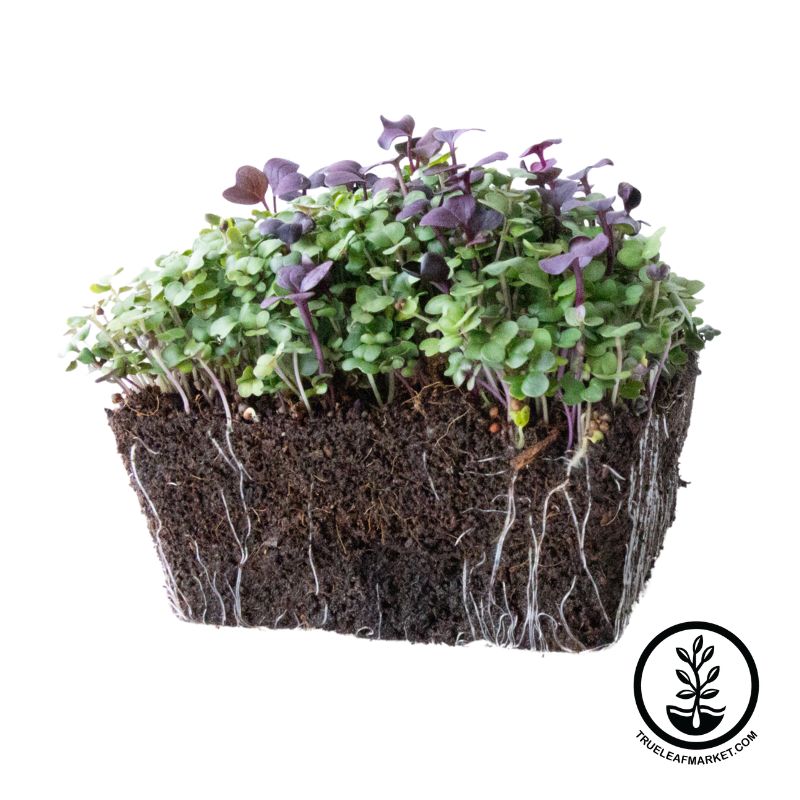
There is a growing body of evidence proving how healthy microgreens are. They are more nutrient-dense per gram than any of their mature vegetables. So, not only are they inexpensive and easy to grow, but a little goes a long way in making sure the micronutrient needs of your family are being met. Buying microgreens in stores and farmers' markets is not only expensive, but there can be a risk of cross-contamination (Listeria). Growing them at home is easy, affordable, and safer. A sunny windowsill or an artificial grow light work great, and you can use nearly any container you have lying around! You can easily get consistent weekly harvests with minimal input.
If you’re the kind of person who loves fresh herbs, but you’ve been buying those 3 to 5-dollar plastic clamshells at the grocery store every time you need them, listen up! Growing herbs at home is easy and cheap! You can have a virtually endless supply of fresh herbs right from the comfort of your own home. Herbs such as basil, parsley, cilantro, chives, and mint can all easily be grown indoors with a good light supply. A sunny windowsill, a patio, a backyard, or an artificial light indoors will do. If you use herbs to flavor your food frequently, growing your own can produce big savings and greater convenience.
Similar to herbs in requirements and use, green onions (or scallions) are an easy food to grow indoors that can pack big flavor into your food. Whether you use the whites to get a mirepoix started or you use the greens to garnish some delicious homemade fried rice, you will not regret having your own supply. What’s more impressive is that these eager plants seem to grow so easily that you’ll barely have to think of them at all until you want to eat them. Even though buying green onions isn’t necessarily expensive, what’s better than cheap? Even cheaper! Buying one seed packet now can provide months and months of endless green onions using the cut-and-come-again method.
Of course, we all know that growing your own garden can produce delicious, inexpensive produce right in your kitchen all summer long. Did you know that the best way to make your garden as cost-effective as possible is to start all your plants from seed at home? Buying seedlings from the garden center in the springtime might be fun, but it is certainly more expensive. Take a little time now to plan your garden for next year, then order your seeds right away! You can use an inexpensive grow light and get your seedlings growing as early as possible (anywhere from December to April, depending on your growing zone). Then, they will be ready to go into the garden as soon as the soil warms in the springtime. There are plenty of vegetables that can be grown in containers, indoors or out! This simple hack can literally cut your garden budget in half and save you hundreds (even thousands) of dollars over the years.
Providing food for your family is always a high priority. But that doesn’t mean it has to break the bank. Growing your own food at home doesn’t require a lot of time, space, or expertise. It simply requires the desire to feed your family affordable, healthy food. The best thing to do is focus on fast, high-value crops to keep raking in those steady savings. If you’re new to this, I encourage you to start small. Pick one thing to try and slowly expand your repertoire. Maybe try growing green onions today, and in a couple of weeks, you can try out sprouts or microgreens. You’ll be shocked at how easy and delicious the whole process is. As food insecurity continues to rise due to shipping disruptions, crop failures, political unrest, and the rising cost of living, we need to stick together and teach each other what we know about saving money and eating healthy. So we can all eat well and live well!
0 comments
No comments yet! Be the first to start a conversation.